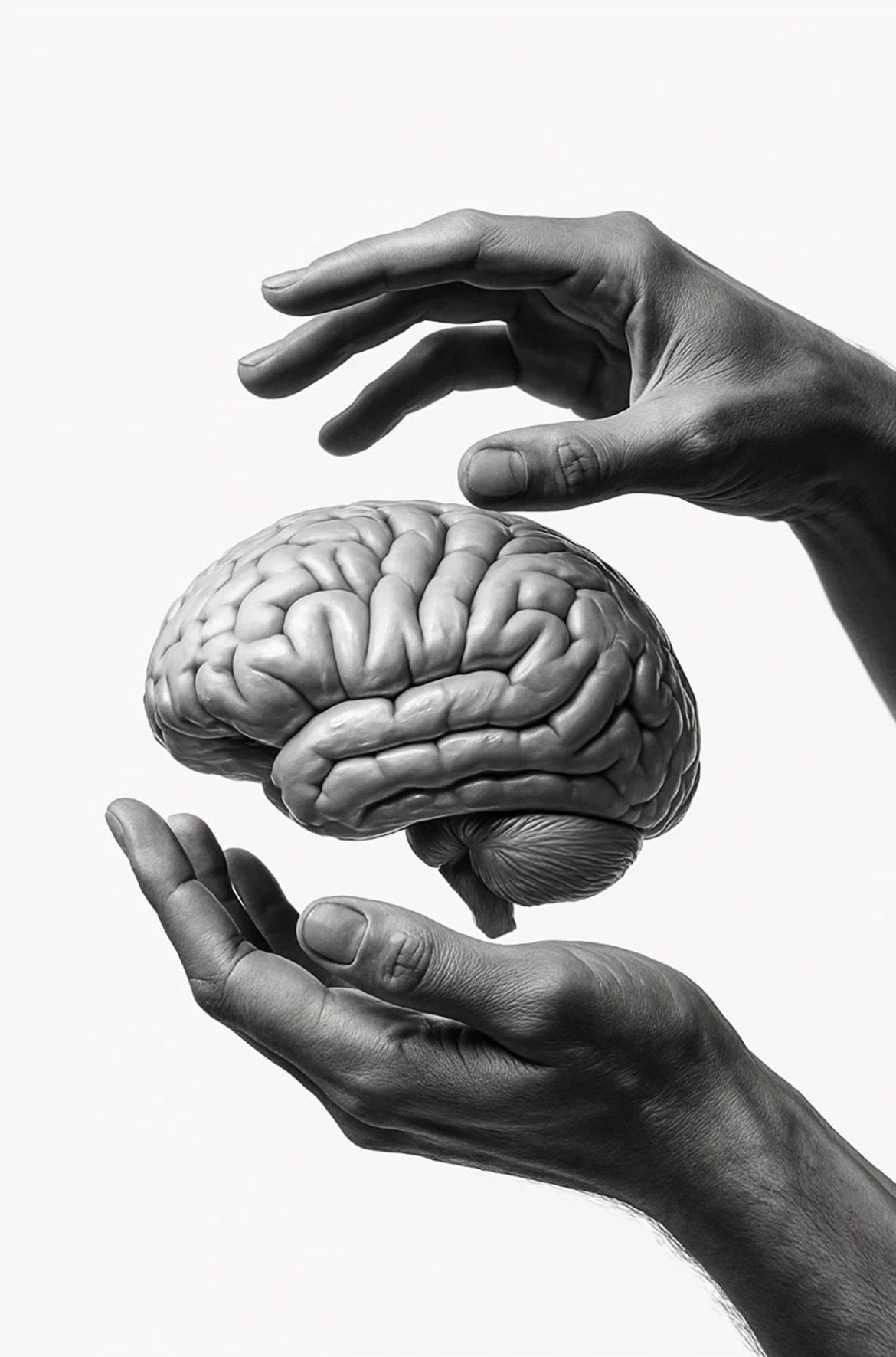
INTRODUCTION
In Kenya, for a long time, people didn’t really talk about mental health out in the open. A lot of young people grew up hearing things like:
“Be strong.”
“Others have it worse.”
“Stop overthinking.”
“Depression is for weak people.”
As a result, many people learned to hide emotional pain instead of talking about it.
These days, things are shifting. Young people in Kenya are now more open to talking about their struggles with anxiety, depression, and feeling completely drained. Social media has started conversations that didn’t happen much before, and for many young people, mental health is something they think about every day. It’s not something that’s rarely discussed anymore, it’s a part of their daily lives. They’re beginning to realize that it’s okay to talk about how they’re feeling, and that it’s a normal part of life. This change is helping to break down the barriers that used to stop people from opening up about their mental health. As a result, more young people are feeling comfortable sharing their experiences and supporting each other through tough times.
Underneath all the funny posts, videos, and jokes they share online, a lot of young people are dealing with tough stuff that nobody can see.
Young People Are Under More Pressure Than Ever
Modern life has become emotionally overwhelming for many youths.
There is pressure everywhere:
Pressure to succeed
Pressure to make money
Pressure to look successful
Pressure to graduate quickly
Pressure to support family
Pressure to keep up with others online
At the same time, the economy has become more difficult. Jobs are limited, the cost of living keeps rising, and many young people feel uncertain about their future.
A university student recently admitted that sometimes he feels anxious even before sleeping because he constantly worries about what will happen after graduation. Another young professional explained that despite working full-time, she still feels financially unstable and emotionally exhausted.
These experiences are becoming increasingly common.
Social Media Is Affecting Mental Health
Social media has connected people globally, but it has also created unhealthy comparison.
Every day, young people scroll through pictures and videos showing:

Expensive lifestyles
Vacations
New cars
Relationships
Business success
Perfect bodies
Luxury apartments
After seeing this content repeatedly, many begin feeling like they are falling behind in life.
The dangerous part is that social media often hides reality. People usually post their happiest moments, not their struggles, debts, heartbreaks, or failures.
A young man in Nairobi shared that sometimes after spending hours online, he starts questioning his own progress in life. He knows social media is not always real, but the comparison still affects him emotionally.
For many youths, social media has quietly become both entertainment and emotional pressure.
Unemployment and Financial Stress
One of the biggest causes of stress among young Kenyans today is financial pressure.
Many graduates finish school with hope and ambition, only to face months or even years without stable employment.
Some people manage to find employment, but unfortunately, they soon realize that their wages are not enough to cover the costs of living on their own without struggling financially.
Some youths feel guilty because:
They cannot support their parents financially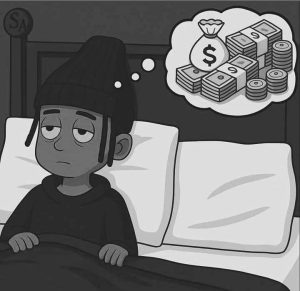
They depend on family despite being adults
They compare themselves with successful peers
Financial struggles can slowly damage confidence and self-worth.
A graduate recently explained how job rejection emails affected his mental health. After applying for dozens of opportunities without success, he began doubting himself and feeling hopeless.
When people constantly feel stuck financially, emotional stress naturally grows.
Loneliness Is Becoming More Common
It’s strange that even though we’re all linked up online, a lot of young people still feel like they’re on their own.
Some struggle to form genuine friendships.
Others feel misunderstood by family members.
Some are emotionally isolated despite constantly interacting online.
Modern life has become very fast and individualistic. People are busy chasing survival, careers, and personal goals, leaving less time for meaningful human connection.
Many youths now spend most of their time online instead of physically socializing. While social media creates communication, it does not always create emotional closeness.
A young woman recently admitted that despite having many followers online, she often feels emotionally alone because she has very few people she can truly open up to.
Loneliness is becoming a silent emotional burden for many people.
Relationships and Heartbreak Also Affect Mental Health
Romantic relationships play a huge role in emotional well-being, especially among young people.
Breakups, betrayal, cheating, emotional manipulation, and toxic relationships can deeply affect mental health.
Unfortunately, many people suffer quietly after heartbreak because society sometimes dismisses emotional pain as weakness or immaturity.
Some individuals experience:
Depression
Loss of appetite
Anxiety
Low self-esteem
Emotional numbness
One young man explained how a painful breakup affected his concentration, sleep, and motivation for months. Outwardly, people assumed he was okay because he continued going to work and posting online.
But internally, he was struggling.
Emotional pain is real, even when others cannot see it physically.
Family Expectations Can Become Heavy
Many young Kenyans also carry enormous family pressure.
Some are expected to:
Pay school fees for siblings
Support parents financially
Help extended relatives
Become “successful” quickly
For firstborn children especially, these expectations can become emotionally exhausting.
A young professional recently admitted that he constantly feels pressure because relatives believe he is financially stable simply because he works in Nairobi. In reality, he is struggling himself but feels guilty saying no when family asks for help.
This emotional burden quietly affects many youths who are trying to balance personal survival with family responsibilities.
Burnout Is Becoming Normalized
Many young people today are mentally exhausted without even realizing it.
Some work long hours during the day while running side hustles at night. Others constantly chase money because survival has become expensive.
People rarely rest properly anymore.
There is growing pressure to always be productive:
Hustle harder
Wake up earlier
Make more money
Build multiple income streams
While ambition is important, constant pressure without rest can lead to burnout.
Burnout often shows itself through:
Constant fatigue
Lack of motivation
Irritability
Emotional numbness
Difficulty concentrating
Sadly, many people normalize burnout because they believe exhaustion is part of success.
Why Many People Stay Silent
Even though mental health conversations are improving, stigma still exists.
Some people fear:
Being judged
Looking weak
Disappointing family
Being misunderstood
As a result, many suffer silently.
Some hide depression behind jokes.
Others smile publicly while struggling privately.
Mental health problems do not always look obvious. Someone may appear “fine” externally while internally battling anxiety, stress, or emotional pain every single day.
This is why empathy and kindness matter more than ever.
Seeking Help Should Not Be Shameful
One important lesson society is slowly learning is that asking for help is not weakness.
Talking to:
Friends
Family
Counselors
Therapists
Religious leaders
can make a huge difference.
Sometimes people simply need someone who listens without judgment.
Mental health support should become as normal as seeking treatment for physical illness.
Just because emotional pain is invisible does not mean it is not real.
FINAL THOUGHTS
Mental health is becoming one of the biggest challenges affecting young people in Kenya today.
Economic pressure, unemployment, social media comparison, loneliness, heartbreak, family expectations, and burnout are creating emotional struggles that many youths carry silently every day.
Behind many smiles are people fighting private battles nobody else can see.
The most important thing society can do now is create more understanding, compassion, and open conversations around mental health.
Young people need spaces where they can speak honestly without fear of judgment.
Because sometimes, the strongest people are the ones silently trying to survive battles nobody else knows about.