INTRODUCTION
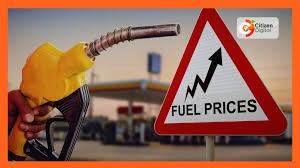
If you have bought fuel recently in Kenya, taken a matatu, ordered groceries online, or even bought vegetables at your local market, you have probably already felt the pressure of rising fuel prices. What used to feel like a small increase every few months has now become a full economic burden affecting almost every Kenyan household.
The rise in fuel prices over the past few years has been steady, but the current rates are the highest many people in Kenya have seen. For most individuals, this isn’t just a topic of discussion on TV or in government reports – it’s a personal struggle. Imagine a mother who’s finding it harder to pay for her daily commute to work, or a boda boda rider who’s putting in extra hours but still taking home less money. Then there’s the small business owner who’s watching their profits shrink as delivery costs continue to rise. These are the real faces of the fuel price crisis, and it’s affecting their daily lives in a big way. The impact is felt across the board, from the person trying to make a living to the business owner trying to stay afloat. As the prices continue to soar, it’s becoming increasingly difficult for people to make ends meet. The fuel price hike is more than just a news headline – it’s a harsh reality that’s hitting home for many Kenyans.
Fuel is the backbone of the economy. When fuel prices rise, everything else follows. Transport becomes expensive, food prices increase, businesses struggle, and eventually the cost of living becomes unbearable for many families.
Current Fuel Prices in Kenya
The latest fuel prices announced by the Energy and Petroleum Regulatory Authority (EPRA) shocked many Kenyans once again. Petrol and diesel prices have reached levels that many people once thought were impossible.
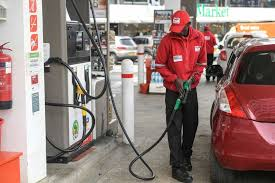
For drivers, filling a car tank has become painful. A full tank that previously cost around KSh 5,000 can now easily exceed KSh 8,000 depending on the vehicle. For many salaried workers, fuel now consumes a huge portion of monthly income.
I recently spoke to a friend who works in Nairobi but lives on the outskirts of the city. He told me that he now parks his car more often and uses public transport because commuting daily has become too expensive. Ironically, matatu fares have also gone up, meaning there is almost no escape from the rising transport costs.
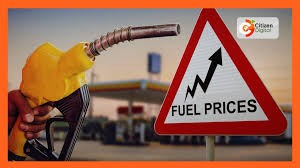
A lot of things are causing high prices right now. The global oil market is unstable, there’s tension in the Middle East, the Kenyan shilling is getting weaker, and fuel taxes are really high. All these things together are making a big problem. And the people who are hurt the most are ordinary citizens, who can’t do much to control these big economic issues. They just have to deal with the consequences, which isn’t fair. The global economy is complex, and many factors are connected, so it’s hard to know what will happen next. But one thing is clear: something needs to change to help people who are struggling with high prices.
Why Fuel Prices Affect Everything
Many people think fuel only affects motorists, but in reality, fuel affects nearly every product and service in the economy.
Just about everything we buy has to travel from one spot to another. For instance, farmers need fuel to haul their crops from the fields to the stores where we shop. Factories also rely on fuel to get the raw materials they need and to ship out the products they make. And let’s not forget about delivery companies – they use fuel every single day to bring us our packages. Plus, even the cost of electricity can go up when businesses have to use backup generators during power outages, which means they’re using more fuel too.
When fuel prices rise, businesses pass the extra costs to consumers. This creates a chain reaction across the economy.
Think about something as simple as bread. Wheat must be transported to factories. Flour must be delivered to bakeries. Bread must then be transported to shops and supermarkets. At every stage, fuel is involved. By the time the bread reaches consumers, the final price is much higher than before.
This is why many Kenyans feel like everything is becoming expensive at the same time. Fuel sits quietly behind almost every economic activity in the country.
Rising Cost of Transport
One of the first places where Kenyans immediately feel fuel price increases is in transport.
When fuel prices go up, matatu fares in Nairobi increase right away. Routes that used to cost 50 shillings now cost 80 or 100 shillings during rush hour. This is a big problem for people who take matatus to work every day, as the extra costs add up fast. The rise in fuel prices has a direct impact on the cost of commuting, making it harder for people to afford their daily trips. As a result, many commuters are feeling the pinch, and the increased fares are taking a big chunk out of their budgets.
A university student I met recently explained how she now walks longer distances to save money because daily fare increases are draining her pocket money. Another boda boda rider in Kisumu shared that customers constantly complain about higher charges, yet he also struggles because fuel prices leave him with very little profit after a long day’s work.
Transport companies also increase the cost of moving goods across the country. This means shop owners, wholesalers, and consumers all end up paying more.
The saddest part is that salaries often remain unchanged while transport costs continue rising. Many Kenyans are now forced to cut spending on other essentials simply to afford commuting to work or school.
Food Prices and the Rising Cost of Living
One of the biggest consequences of high fuel prices is the rising cost of food.
Vegetables, maize flour, cooking oil, milk, sugar, and bread have all become more expensive partly because transport costs continue increasing. Farmers spend more transporting produce, wholesalers spend more moving goods, and retailers increase prices to survive.
At local markets, many shoppers now buy smaller quantities than before. A mama mboga in Nairobi recently explained that customers who used to buy a full week’s worth of vegetables now buy only enough for one or two days because money is tight.
Families are being forced to make difficult choices. Some parents skip meals so their children can eat. Others are reducing household expenses such as entertainment, clothing, or even healthcare just to keep food on the table.
The emotional pressure is also growing. Many people feel frustrated because despite working hard every day, life keeps becoming more expensive.
Impact on Businesses and SMEs
Small businesses are among the hardest hit by rising fuel prices.
Many Kenyan businesses already operate on thin profit margins. When fuel prices rise, operational costs increase immediately. Delivery businesses spend more on transport. Shops pay more for stock transportation. Manufacturers face higher production expenses.
I visited a small furniture workshop recently where the owner explained how transporting timber and finished products has become extremely expensive. He said some customers accuse him of overpricing furniture, yet most of the price increase comes from transport and fuel-related expenses.
Lots of businesses, like restaurants and online shops, are having a tough time. They’re all facing similar issues. To stay afloat, some are letting staff go, putting expansion plans on hold, or raising their prices. This is happening to farmers, hardware stores, and many other types of businesses too. They’re all trying to find ways to survive, but it’s not easy.
Unfortunately, when businesses struggle, job creation slows down. This affects the wider economy because unemployment and financial pressure continue increasing.
Impact on Inflation and the Kenyan Economy
High fuel prices do not only affect households and businesses individually. They also affect the entire national economy.
When fuel becomes expensive, inflation rises because the cost of goods and services increases across multiple sectors. Consumers lose purchasing power, meaning people buy less than before.
This slowdown affects economic growth because businesses make fewer sales and investors become more cautious.
Many households now spend most of their income on essentials like food, rent, and transport, leaving little money for savings or investment. This weakens consumer spending, which is one of the biggest drivers of economic activity.
There is also growing pressure on the Kenyan shilling because Kenya imports large amounts of fuel using foreign currency. As import costs rise, the economy experiences even more financial strain.
For many people, talking about the economy doesn’t really matter – what matters is how they can make ends meet every day. It’s a constant struggle to get by, and things just seem to be getting tougher.
Public Reaction and Nationwide Frustration
Across social media, matatu stages, workplaces, and homes, frustration is growing.
Many Kenyans feel exhausted by the constant rise in the cost of living. Online discussions are full of anger, jokes, and emotional posts from citizens trying to cope with rising expenses.
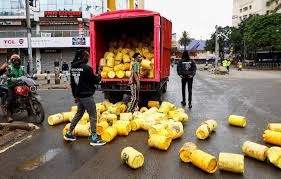
Some people blame global oil markets while others blame taxes and government policies. Regardless of political opinions, there is one thing most people agree on: life has become significantly more expensive.
People are getting frustrated everywhere. You can hear them complaining in buses about how much fares have gone up. When they’re shopping, they’re being really careful about what they buy, checking prices and making sure they can afford it. And when they’re filling up their cars with gas, they’re getting annoyed at how fast the numbers are spinning on the meter. It seems like everything is just getting more expensive, and it’s affecting everyone. Whether you’re taking public transportation, buying groceries, or just driving around, the rising costs are really starting to add up.
The psychological stress is becoming just as serious as the economic burden.
What the Government Is Doing
The government has attempted several measures to reduce pressure on consumers, including subsidies, fuel stabilization programs, and negotiations aimed at reducing import costs.
But for a lot of people in Kenya, it doesn’t feel like these efforts are making a big difference. Even when they say prices are going down a little, they’re still way too high for most people to afford easily.
Some economists argue that reducing fuel taxes could help lower prices temporarily. Others believe Kenya must focus on long-term energy solutions instead of relying heavily on imported fuel.
At the same time, the government faces its own financial challenges, including debt obligations and revenue needs. This creates a difficult balancing act between protecting consumers and maintaining national revenue collection.
Possible Solutions to the Fuel Crisis
Although the situation is difficult, there are several long-term solutions Kenya could explore.
Investing in electric public transport could reduce fuel dependence over time. Expanding railway transport for cargo could also lower road transport costs significantly.
The country can also invest more in renewable energy and encourage local manufacturing to reduce import dependence.
Supporting farmers and local producers through tax relief or transport subsidies could help stabilize food prices.
It’s really important for people in charge to understand that fuel prices have an impact on everyone’s life. When looking for solutions, they should think about how people are affected in their daily lives, not just about the economic side of the case.
CONCLUSION
Rising fuel prices are no longer just a transport issue. They have become a national economic crisis affecting millions of Kenyans directly and indirectly.
The rising costs are affecting everything from what we eat to how we get around, and it’s hitting both families and businesses hard. People are finding it tough to make ends meet, companies are feeling the strain, and the cost of living just keeps going up, often faster than our paychecks can keep up with. This is a big problem that’s touching all aspects of life, from household expenses to the bottom line of businesses, and it’s not showing any signs of slowing down.
For many Kenyans, the future feels uncertain. Yet despite the challenges, people continue working hard, adapting, and finding ways to survive in an increasingly expensive economy.
The steady increase in fuel prices is putting a huge strain on people’s daily lives. It’s not just about money, it’s about how it affects ordinary people’s ability to get by. As prices keep going up, things might get even tougher for households and businesses in the near future. The issue of fuel prices is really about the well-being and survival of everyday Kenyans, making it a conversation that goes beyond just economics.